
Jeep Waves and Peloton High Fives
I’m a friendly person. I enjoy chatting with strangers, and having pleasant, casual interactions.
I love my Peloton and give out high fives to my fellow riders when I join the ride, when I leave the ride, and, yes, while I’m riding.
I drive a Jeep, and was thrilled to discover, that Jeep owners wave to one another on the road. I have enthusiastically joined in this practice.
I lived in a high rise in Jersey City, New Jersey, right across the Hudson River from World Trade, from 2019 to 2024. We moved there from Cincinnati, Ohio.
One thing that was quite difficult for me, as a high fiver and Jeep waver, to adjust to was the utter lack of acknowledgement by other people. It was as if you were not there, you were unseen, invisible. Or, you may be viewed strangely, even suspiciously, if you were friendly.
I’d be alone in the elevator (in the building where I lived) and someone would get in, and I’d say ‘Good morning,’ and, often, I would receive no response at all, or a strange look. Not every time, but often. (By contrast, we went back to Ohio to visit family, and, while we were out walking the dog, people - strangers, mind you - on the other side of the street, would wave and say ‘Good morning.’)
I came to realize that, in this, the largest city in the U.S., with a population of 8 million+ people, you connect with those you know … and you ignore the rest. The cardinal rule of New York City: Mind your business.
As a friendly, chatty person, I learned and assimilated to the culture. I adapted. I conformed. But it still felt weird…
Now, I’m back in my “natural environment” (more country than city mouse, I suppose), and find that, here in my new town of 17,000 souls in coastal Connecticut, my friendly, chatty nature is encouraged and reciprocated. In the line at the grocery store, waiting for my latte, sitting at the bar, the residents of my new community chat me up … and I love it. While my casual friendliness with strangers doesn’t necessarily constitute meaningful relationships, it does provide a sense of connection, of community, of belonging, of being seen and acknowledged.
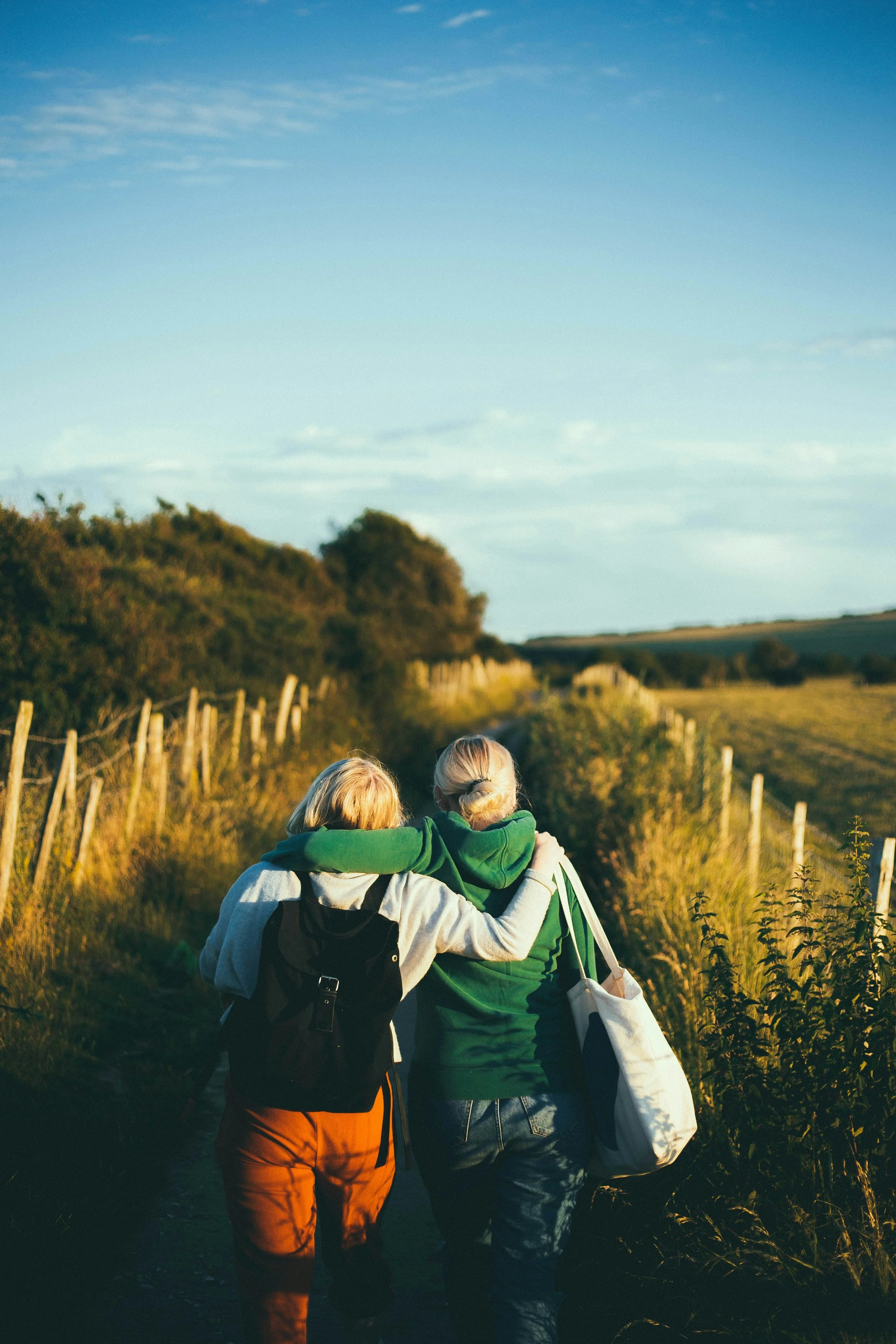
Photo by Joseph Pearson on Unsplash
Loneliness isn’t about being alone; it’s about the perception of being alone and isolated. It’s about feeling sad or distressed when there is gap between your social desire and the reality of its absence. You can feel lonely among other people.
And loneliness can significantly affect your emotional wellbeing and physical health.
Social connectedness is exemplified by relationships where individuals feel seen, heard, and valued. The Harvard Study of Adult Development, which began in 1939, has concluded that the single most important predictor of happiness and longevity is having social connections. Robert Waldinger, M.D., a professor of psychiatry at Harvard Medical School and the current director of the study, stated, “Loneliness kills. It’s as powerful as smoking or alcoholism.”
Loneliness was on a steep increase during the pandemic, and while our loneliness numbers have improved since 2021, they haven’t completed recovered to pre-pandemic levels. Gallup indicates that about 20% of U.S. adults felt lonely “a lot of the day yesterday.” And a survey conducted by the American Psychological Association (APA) indicates that more than 60% of U.S. adults feel societal division is a significant source of stress in their lives, while 50% report feeling isolated, left out, or lacking companionship often or some of the time.
Arthur Evans, Ph.D., the CEO and of the APA is quoted as saying, ““Psychological research shows us that loneliness and isolation may increase the risk of premature mortality and are also linked with depression, poor sleep and cognitive decline. We also know that social support is one of the strongest predictors of people’s well-being, reinforcing that connection is vital to our health. Reaching out, showing up and building community are not optional; they’re essential” (emphasis added).
Therefore, it is imperative that we:
stay connected to family and friends
introduce ourselves to our neighbors
get involved in our communities by volunteering or attending events at our local libraries, senior centers, or children’s schools
join groups to meet like-minded people who share our interests
find a faith-based organization or center with a spiritual practice where we can attend regular services or sessions
start regularly attending a regular fitness or yoga class where we’ll see the same faces, or join groups that meet regularly for walks, hikes, or runs
or any other activities we can think of, that call to us, that peak our curiosity or interest, where we can connect with our tribes
It is important to note that it takes effort to maintain relationships, to create new relationships, and to be part of a community. It doesn’t just happen, and it doesn’t just remain, and certainly doesn’t flourish and thrive, without tending. Being a part of others’ lives inherently means we must, at times, be inconvenienced. We must show up. We must participate. We must be there for others and allow others to be there for us.
And, it’s all for the good. Otherwise, we are alone, lonely, unhappy, and sick.
If this message resonates, let me know! I’d love to hear from you! I read and respond to every message (yes, really!).
If you want to discuss it with others, please share it!
And, if you want more, be sure to subscribe!
Please note: this newsletter is disseminated for informational and educational purposes only and should not, in any way, be construed as medical, psychological, or therapeutic advice. Please be certain to check with your physician or personal therapist with regard to whether these suggestions are appropriate for your individual situation.